


This piece is part of the Reality Studies Resilience & Preparedness Manual. For more, see the full Resilience & Prepping section.
The Strait of Hormuz Crisis continues, and with it, concern about the price of gas. And while this crisis will no doubt take its pound of flesh from your wallet at the gas pump, that’s only the most obvious dimension. What you may not be planning for are the inflationary ripple effects; modern life runs on fossil fuels well beyond transportation.
The first consumer goods to spike in a fuel shock are the cheap, unglamorous essentials that are impacted by energy prices, packing, shipping, and shared demand.
The list that follows does not include “prepper” goods in the conventional sense (though, as I’ve repeatedly written, I think we need to ditch stock stereotypes for normalized, practical preparedness).
No first-aid kits and bug-out bags here; rather, you’ll find the items that will get more expensive when energy markets seize up and shipping costs ripple through the economy.
If you want to minimize the impact of the next inflation wave, one easy way is to front-load the ordinary household goods you are guaranteed to buy anyway before they cost 20-40% more.
Note: I (desperately!) wish we lived in a world where we were not dependent on plastics. Please do not take what follows as advocacy for its use. Rather, I’m trying to be realistic about things that most people will still need in their daily lives. In cases where possible, I’m also including non-plastic options below, in full recognition that their increased price may be prohibitive for many. Everyone’s financial situation is different, and I’m not here to judge you.
SO. Without further ado, here are 10 of the best household items to stock up on now.
1. Trash Bags
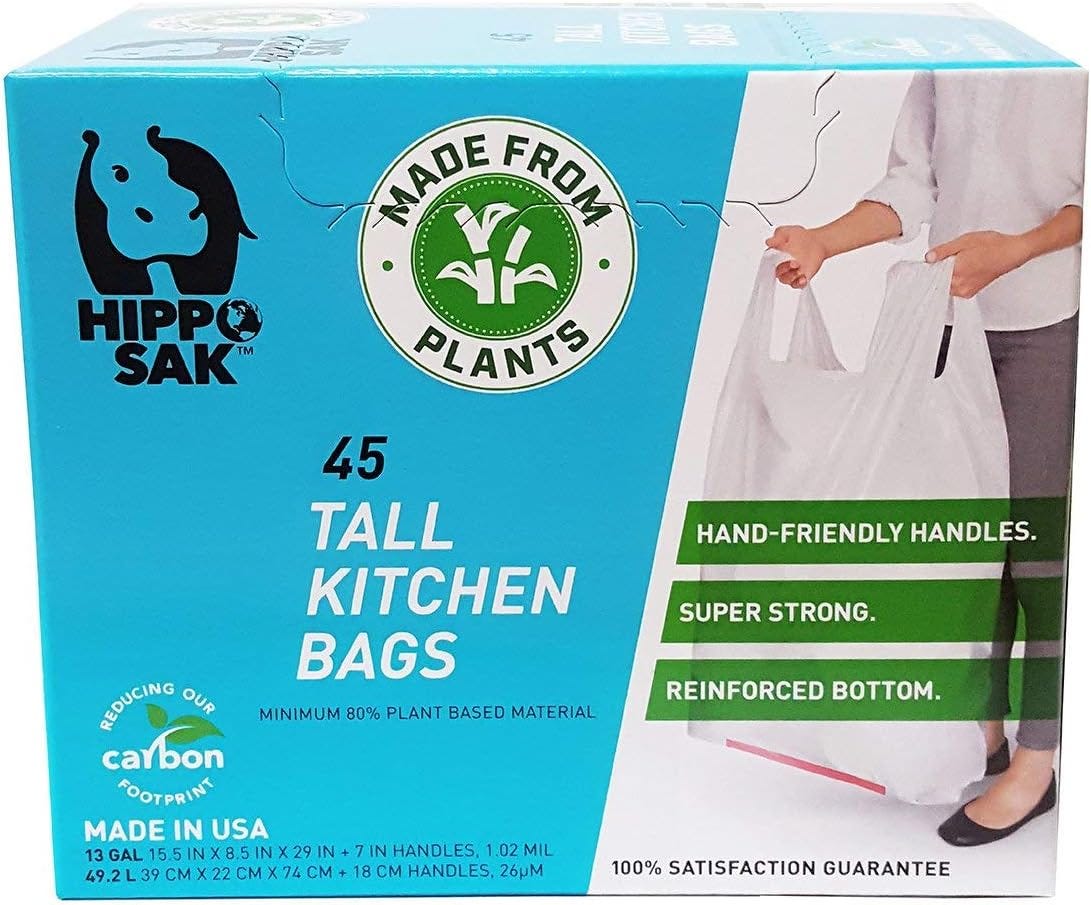
Trash bags are one of the purest examples of hidden oil exposure in the average household. They are made from plastic resin (a fossil-fuel byproduct), sold in plastic packaging, and shipped as bulky low-margin consumer goods. That means they are exposed to oil prices three different ways at once. If energy prices spike, we should expect to see trash bags get more expensive quickly.
You are going to keep buying them no matter what they cost. That makes them one of the cleanest inflation hedges on this list: cheap now, shelf-stable for years, and guaranteed to be used.
2. Laundry Detergent
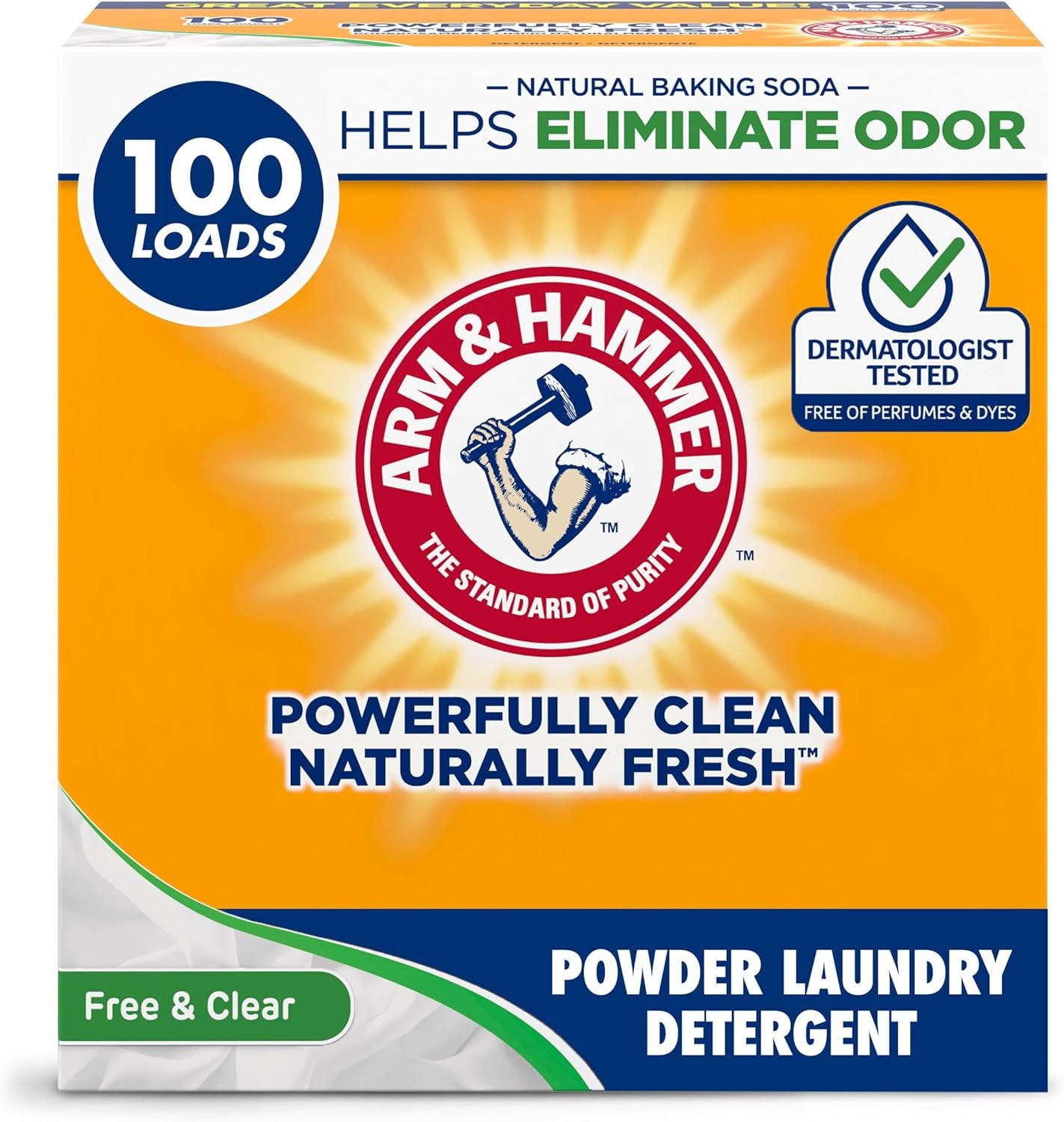
Laundry detergent gets squeezed from every angle in an inflation shock. Its ingredients are heavily petrochemical; its packaging is plastic, and in liquid form, it’s expensive to ship because you are paying to transport water. Thus, detergent is one of the easiest household staples to reprice upward.
Note: the best version to stock up on is not liquid. It is powder or detergent sheets, both of which store longer, take up less space, and avoid some of the shipping inefficiency that makes liquid detergent so vulnerable to cost increases.
You know you’ll use it and it stores well. And, as we saw during the pandemic, once prices rise, “sticky inflation” (sometimes referred to as ‘stickflation’) sets in, with prices remaining elevated even after the underlying causes of the price shock disappear (and again, with the Strait of Hormuz Crisis, there is no current end in sight).
Powder:
ARM & HAMMER Powder Laundry Detergent, Free of Perfume and Dyes, 100 Loads ($15)
Molly’s Suds Original Laundry Detergent Powder | Clean Laundry Detergent Powder for Sensitive Skin | Simple, Effective Ingredients, Stain Fighting ($14.99 for 70 load, $38.99 for 240 load)
Liquid, if preferred:
Seventh Generation Concentrated Laundry Detergent Liquid Free & Clear Fragrance Free 40 Fl Oz (Pack of 2) ($14.99 for 1, $25.99 for 2)
Tide Free & Gentle Liquid Laundry Detergent, 64 Loads, 84 fl oz, Tide Laundry Detergent, Clean Laundry Detergent ($12.97, with additional 33% coupon if you purchase 4)
Strait of Hormuz Crisis: 5 Cheap, High-Impact Items You Can Buy Right Now to Prep for Fallout from the Iran War on a Budget

This piece is part of the Reality Studies Resilience & Preparedness Manual. For more, see the full Resilience & Prepping section.
3. Dish Soap
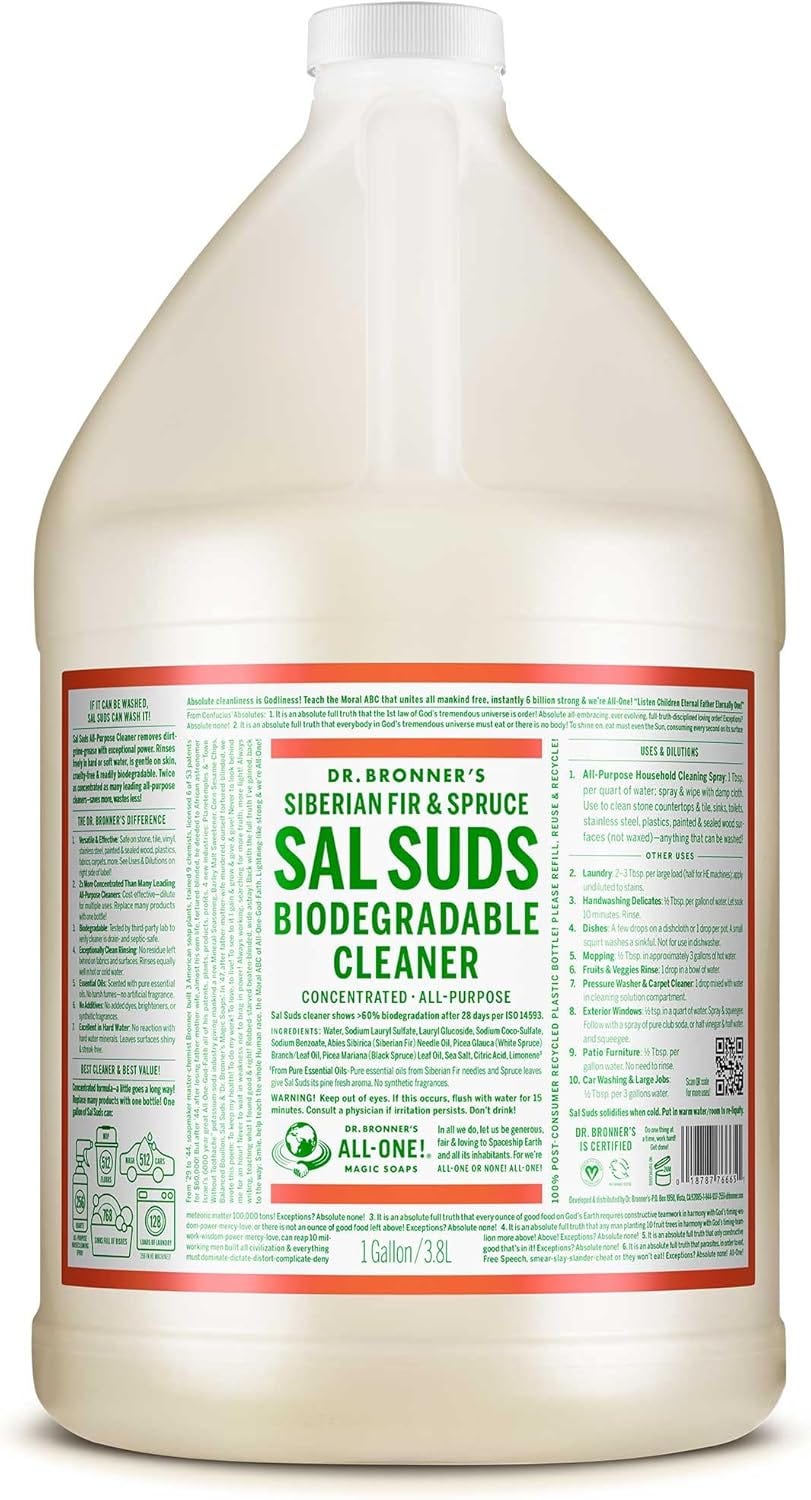
Like detergent, dish soap combines petrochemical ingredients, plastic packaging, and water-heavy shipping. It is also a constant-repeat purchase in almost every household.
Because it is inexpensive, dish soap is the kind of product manufacturers can quietly reprice without much consumer awareness or pushback. That makes it one of the easiest products to inflate in small increments. It may not be expensive now, but it could be more expensive later, and there is no scenario in which you stop needing it.
4. Toilet Paper
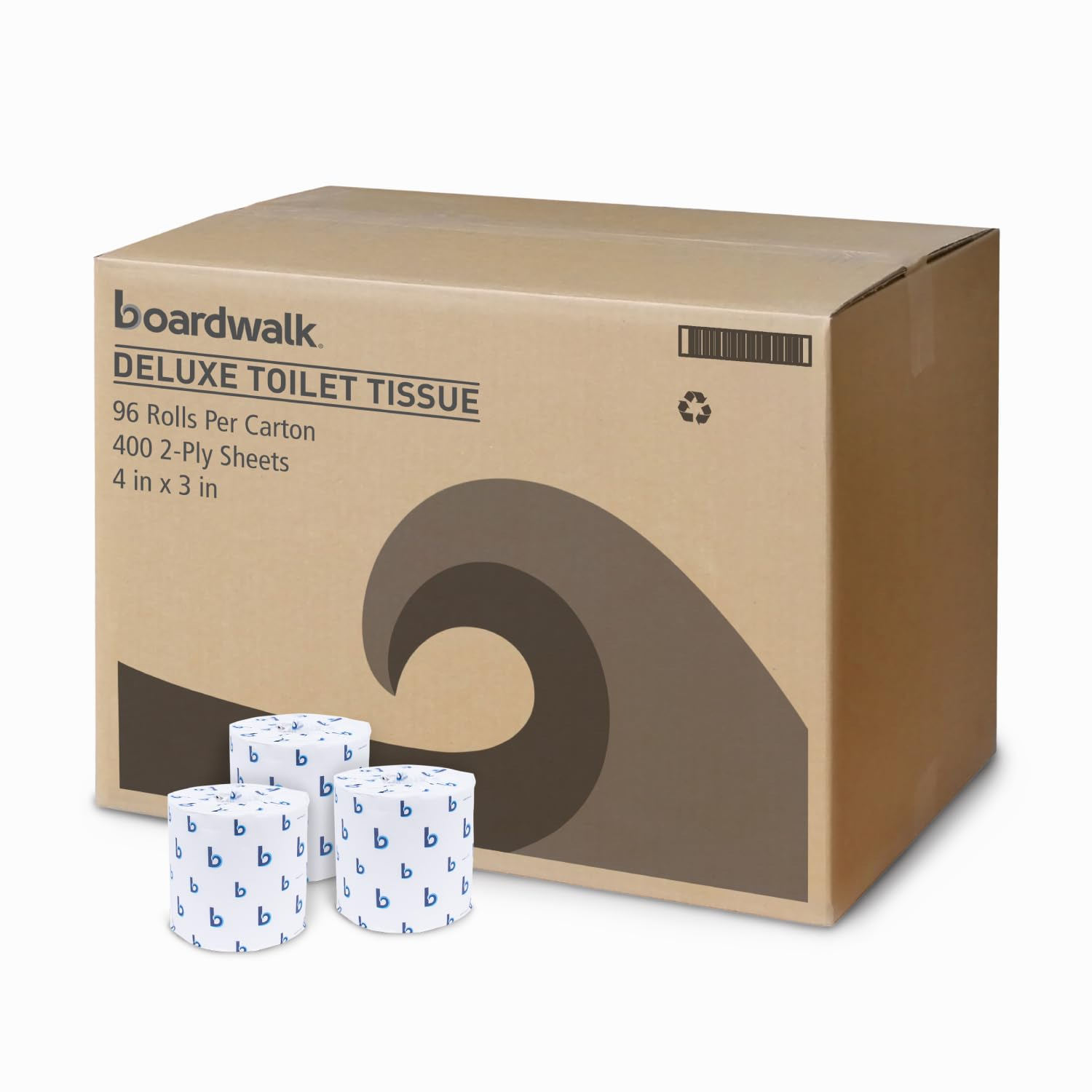
This one inevitably evokes echoes of March 2020. Notably, toilet paper is the first good on this list that is not especially oil-intensive to manufacture. That said, it is freight-intensive to sell.
Toilet paper is bulky, low-margin, and expensive to move relative to its retail value. When diesel prices rise, that cost gets passed through quickly. This is why toilet paper is often one of the first products consumers notice during any supply disruption, because it is logistically inefficient and psychologically non-negotiable.
5. Paper Towels
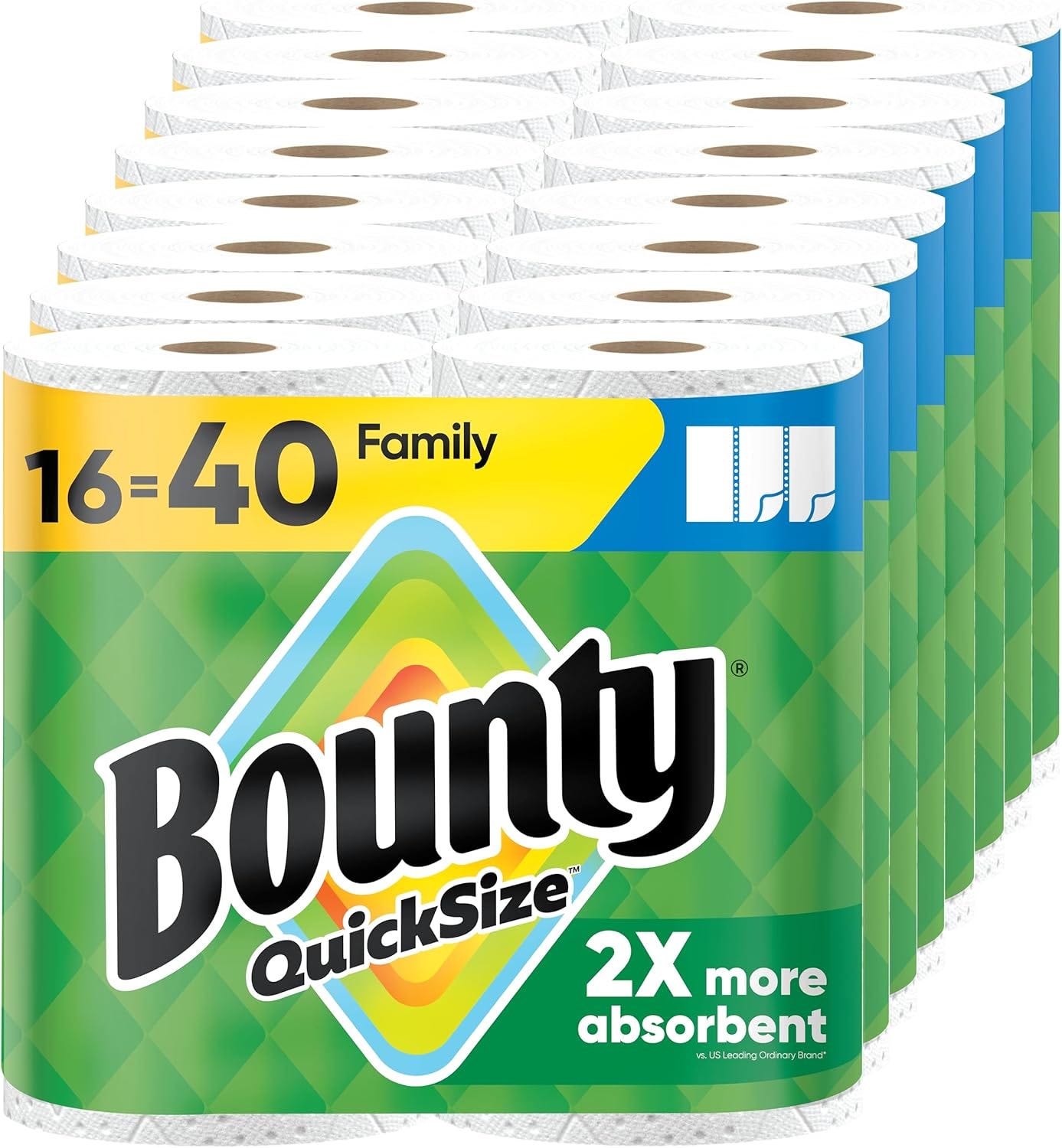
Paper towels follow the same inflation logic as toilet paper, but often move even faster because they are more discretionary and more heavily marked up. They are bulky, cheap to produce, expensive to ship, and easy for retailers to reprice—that combination makes them especially sensitive to freight inflation.
Like toilet paper, paper towels are not flashy, but they are one of the easiest categories to buy ahead now and avoid paying more for later. (And yes, I think both toilet paper and paper towel math are dumb and manipulative).
6. Diapers
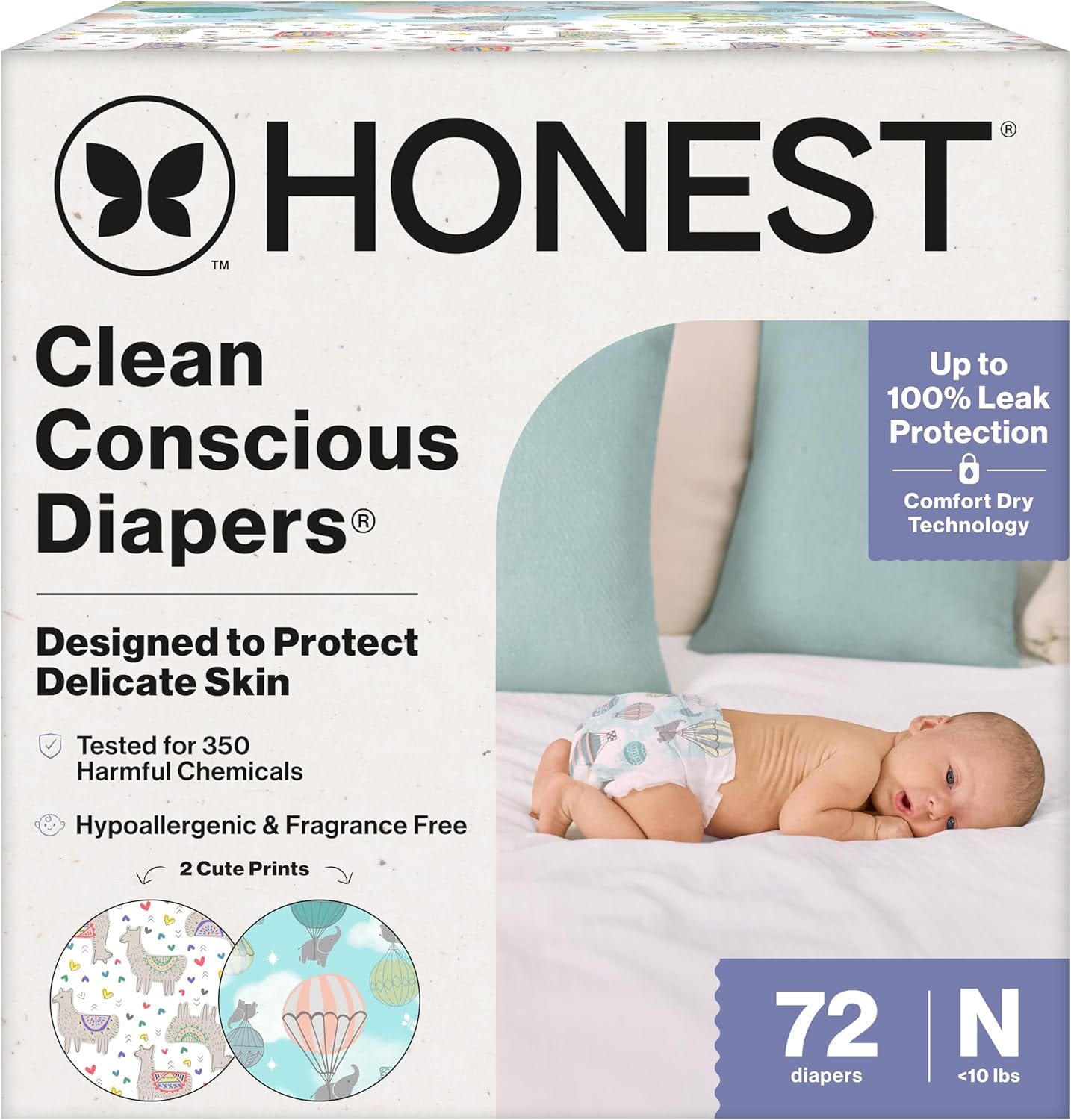
If your household uses diapers, these should be one of the highest-priority items on this list. Diapers combine nearly every inflation-sensitive input at once: petrochemical materials, plastic packaging, bulky shipping, and relentless repeat demand.
They are also one of the most punishing items to buy reactively because families do not have the option to delay purchasing them. The only constraint is sizing, which means the ideal strategy is not stockpiling a year’s worth now, but rather buying a few months ahead and rotating forward as you go.
Pampers Swaddlers Diapers, Size 1 (8-14 lbs), 198 Count, Absorbent, Keeps Baby Dry and Comfortable, Skin Safe Disposable Baby Diaper (Packaging May Vary) ($55.87 with coupon)
7. Feminine Hygiene Products
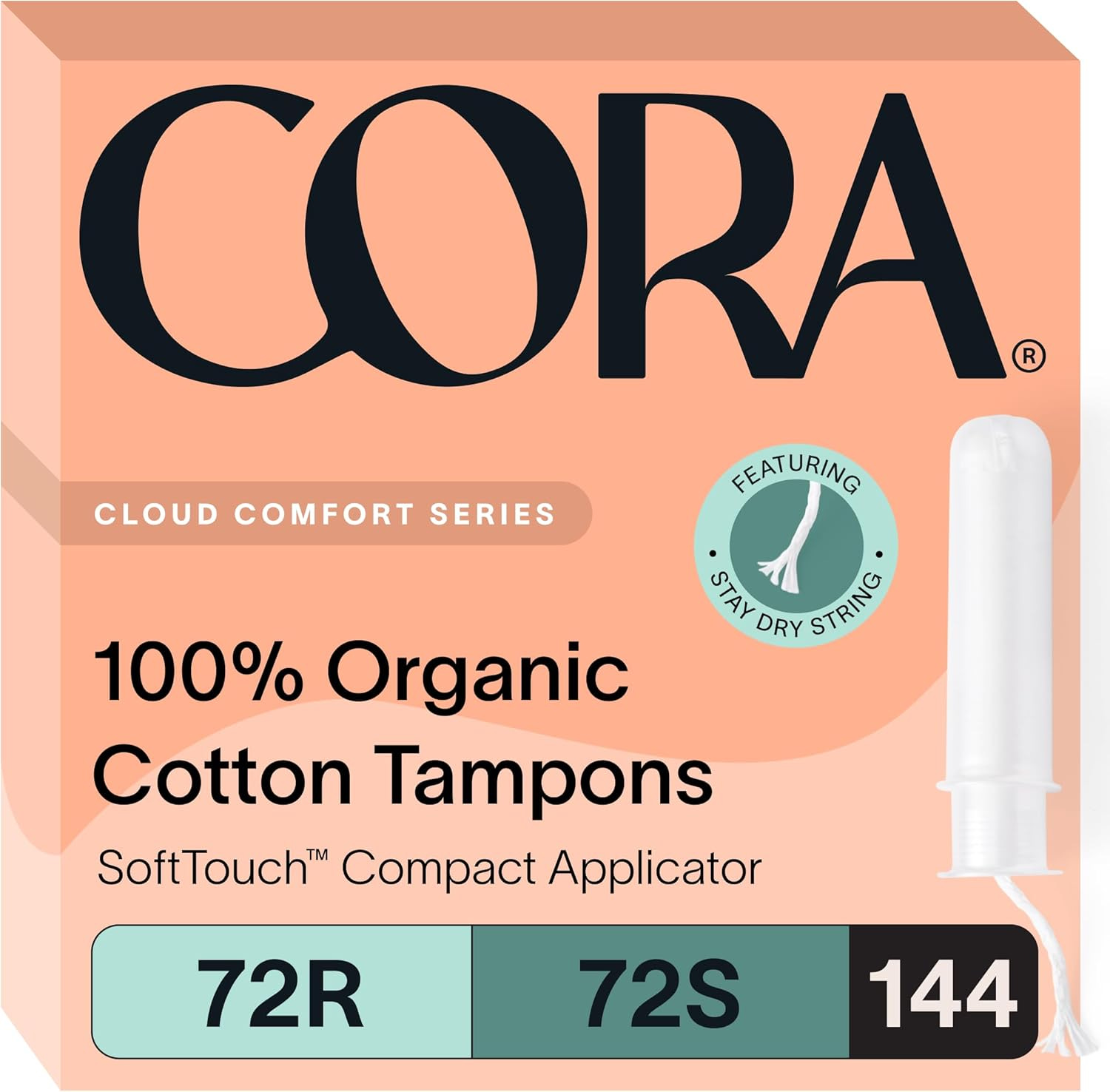
Feminine hygiene products are one of the most practical and (often) overlooked inflation hedges in the household. Pads and liners combine synthetic materials, plastic packaging, and predictable repeat consumption. They are compact, shelf-stable, easy to store, and difficult to substitute away from.
That makes them exactly the kind of product that gets more expensive in a cost shock and keeps getting bought anyway. These products are rarely included in mainstream “prep” lists, which is one reason they absolutely should be.
Cora Organic Cotton Tampons ($18.49 for 36, $57.49 for 144)
8. Shampoo and Soap
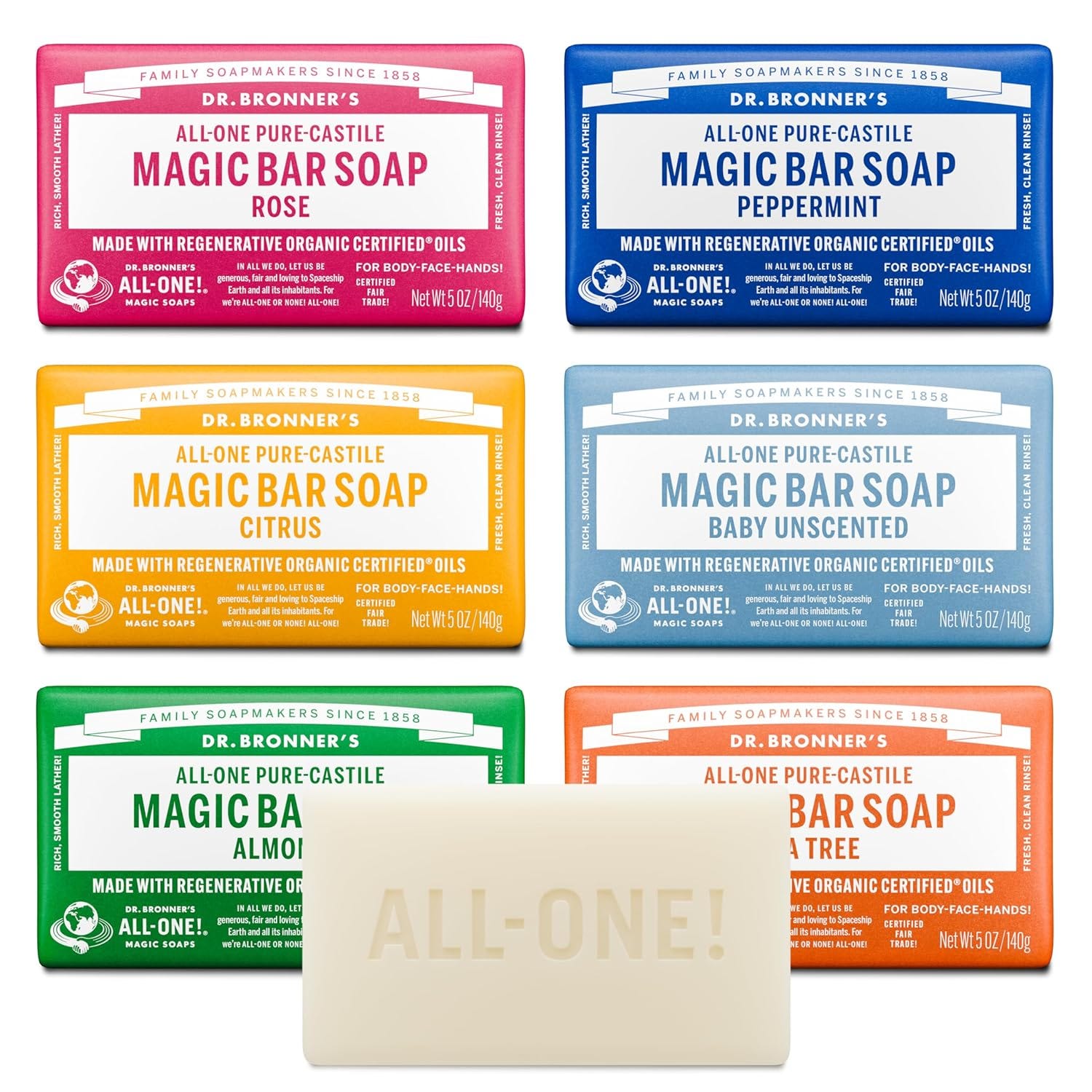
Shampoo and soap are classic examples of the small household essentials people underestimate because they are cheap. Again, “low-ticket” household goods are often where inflation shows up first because they can be repriced or quietly shrunk (‘shrinkflation’) without generating much consumer resistance.
Shampoo in particular is vulnerable to plastic, freight, and packaging inflation. Soap is somewhat less exposed, but still easy to store and guaranteed to be used.
9. Water Essentials
Bottled water is one of the worst inflation-sensitive essentials in the average grocery store. It’s cost is mostly a combination of freight and plastic, sold as a necessity. That makes it a poor thing to buy reactively and a mediocre thing to stockpile at scale (while we’re at it, if you haven’t gotten a reusable water bottle yet, do it now!)
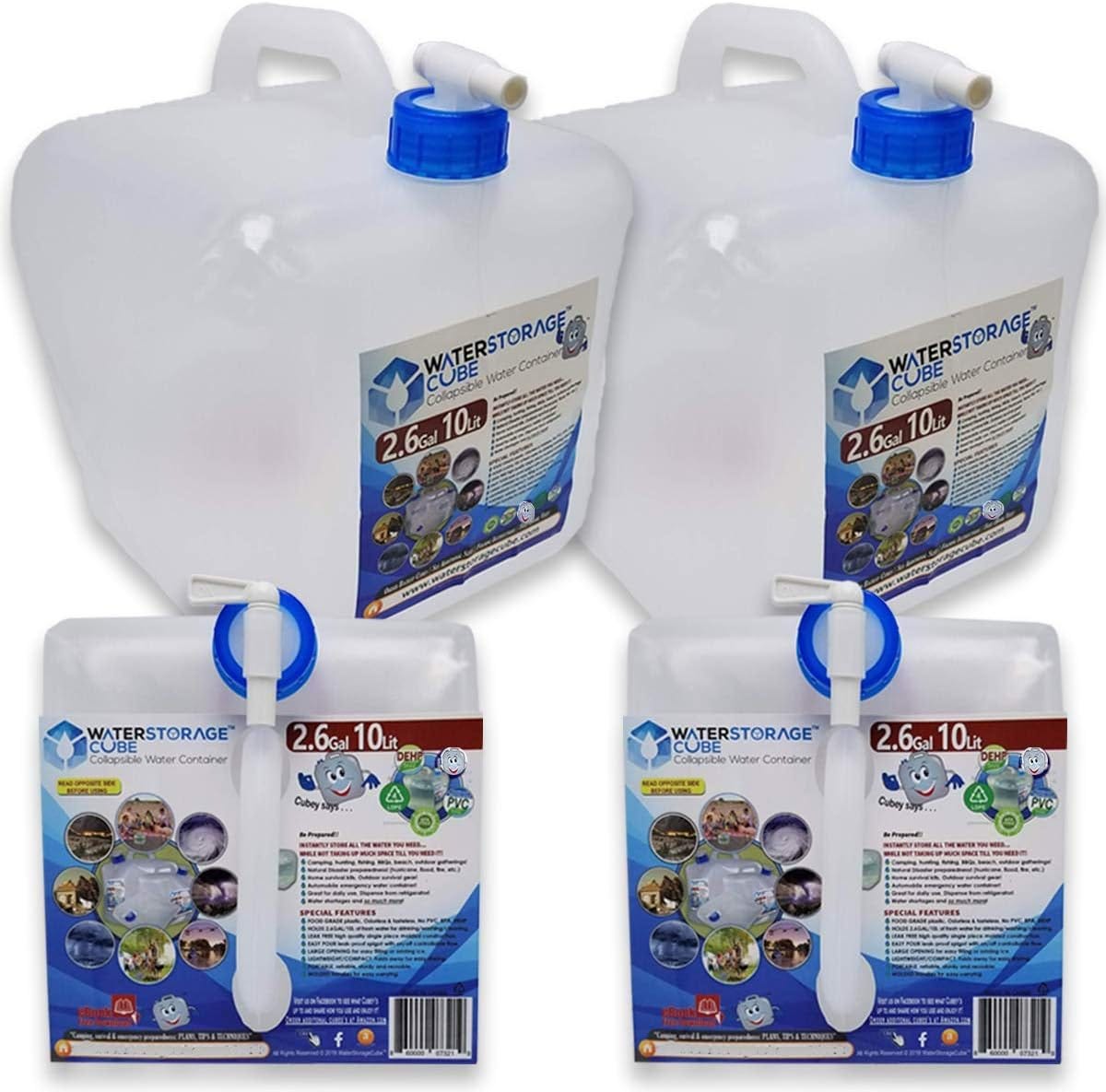
A more sensible strategy is to stock up on water filters, containers, and reusable bottles. All of the above are compact, shelf-stable, easy to store, and much more efficient than trying to warehouse bottled water.
WaterStorageCube BPA Free Collapsible Water Container with Spigot, Camping Water Storage Carrier Jug for Outdoors Hiking Backpack & Survival Kit, Foldable Portable Water Canteen (various sizes/prices)
10. Zip Bags and Food Storage Bags
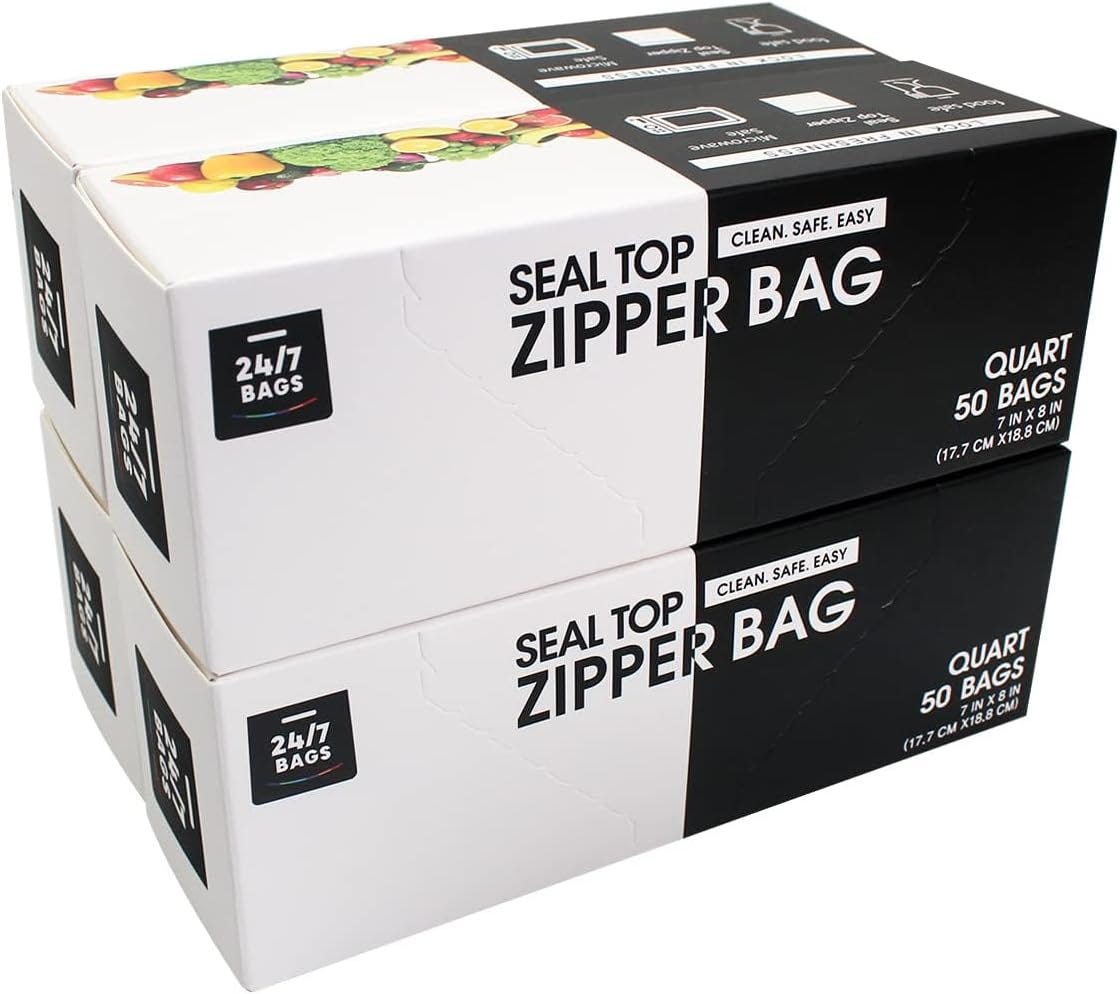
Zip bags are pure petrochemical convenience goods: plastic resin turned into a product everyone uses and almost no one thinks about.
They too are cheap (now), compact, shelf-stable, and almost guaranteed to get worse on both price and quality. This is also one of the easiest categories for manufacturers to quietly cut corners in (e.g., thinner bags, fewer per box, same shelf price, et al.)
Ziploc Gallon Food Storage Freezer Bags, Stay Open Design, Easy to Fill, 66 Count ($11.89)
365 by Whole Foods Market, Quart Size Freezer Bags, Double Zipper, 40 Count ($3.18)
If you want to learn more about what the Strait of Hormuz Crisis is and how it will impact you, read my guide here:
How to Prepare for Iran War Fallout: What to Do, Buy, & Plan for as the Strait of Hormuz Crisis Intensifies

On Feb. 28, 2026, the United States and Israel launched Operation Epic Fury against Iran. Within days, Iran’s Islamic Revolutionary Guard Corps (IRGC) had effectively shut down the Strait of Hormuz, a narrow maritime chokepoint through which roughly 20% of global petroleum consumption, more than 20% of global LNG trade, and about one-third of global sea…
Stay safe out there.
This piece is part of the Reality Studies Resilience & Preparedness Manual. For more, see the full Resilience & Prepping section.
Excellent compilation of essentials. However, I will not be supporting Amazon. Costco is a much better option all around.
If people would stop using plastic bags for yard trash and use cardboard boxes from grocery store discards NOW, it would be a good behavior to practice. Cardboard disintegrates like the yard trash; it is recyclable. It is great to use under mulch.
What do young people think we used before there were plastic bags for just about everything.
Cotton diapers instead of plastic-wrapped disposable diapers worked and still work well. When babies out grew cotton diapers, the cloths became washable dish towels and dust cloths (vs paper towels).
Newspapers and a shovel were used to collect, then well-wrap dog poop.