


This piece is part of the Reality Studies Resilience & Preparedness Manual. For more, see the full Resilience & Prepping section.
As I wrote last week, fallout from the Iran War is going to hit the rest of the world financially. I got a number of requests asking what the cheapest items folks could buy that would have the highest impact. There’s no one list that magically solves all your problems, but I thought it’d be worthwhile to address this question.
How to Prepare for Iran War Fallout: What to Do, Buy, & Plan for as the Strait of Hormuz Crisis Intensifies

On Feb. 28, 2026, the United States and Israel launched Operation Epic Fury against Iran. Within days, Iran’s Islamic Revolutionary Guard Corps (IRGC) had effectively shut down the Strait of Hormuz, a narrow maritime chokepoint through which roughly 20% of global petroleum consumption, more than 20% of global LNG trade, and about one-third of global sea…
If you only have $50-$100 to spend, the highest-impact move is not what’s commonly considered (and marketed as) “survival gear.” As Sam Bloch, Founder of Camp DoomsDaddy recently explained on the Urgent Futures Podcast: “I’ve even had a lot of friends who [say], ‘Oh, well, like, the state of the world is getting crazy, climate change, everything. I’m going to go…take a wilderness survival course. I tell people all the time, like 20 years on the front lines, I’ve never seen somebody have to rub two sticks together to start a fire.”
SO. The immediate dimensions you want to cover on a shoestring budget should hit: cheap calories, clean breathing, off-grid cooking, off-grid information, & light. Some of those might only be necessary if a crisis turns severe—but you’ll be thankful you have them if such a time occurs—and they’re good to have as a general preparedness practice.
Rather than a flashy wilderness survival pack with lots of bells and whistles you may never use, this list focuses on what’s actually useful relative to the obstacles you might face in the coming months.
5 Items to Buy on a Shoestring Budget
1) Rice (Bonus: Add Beans)
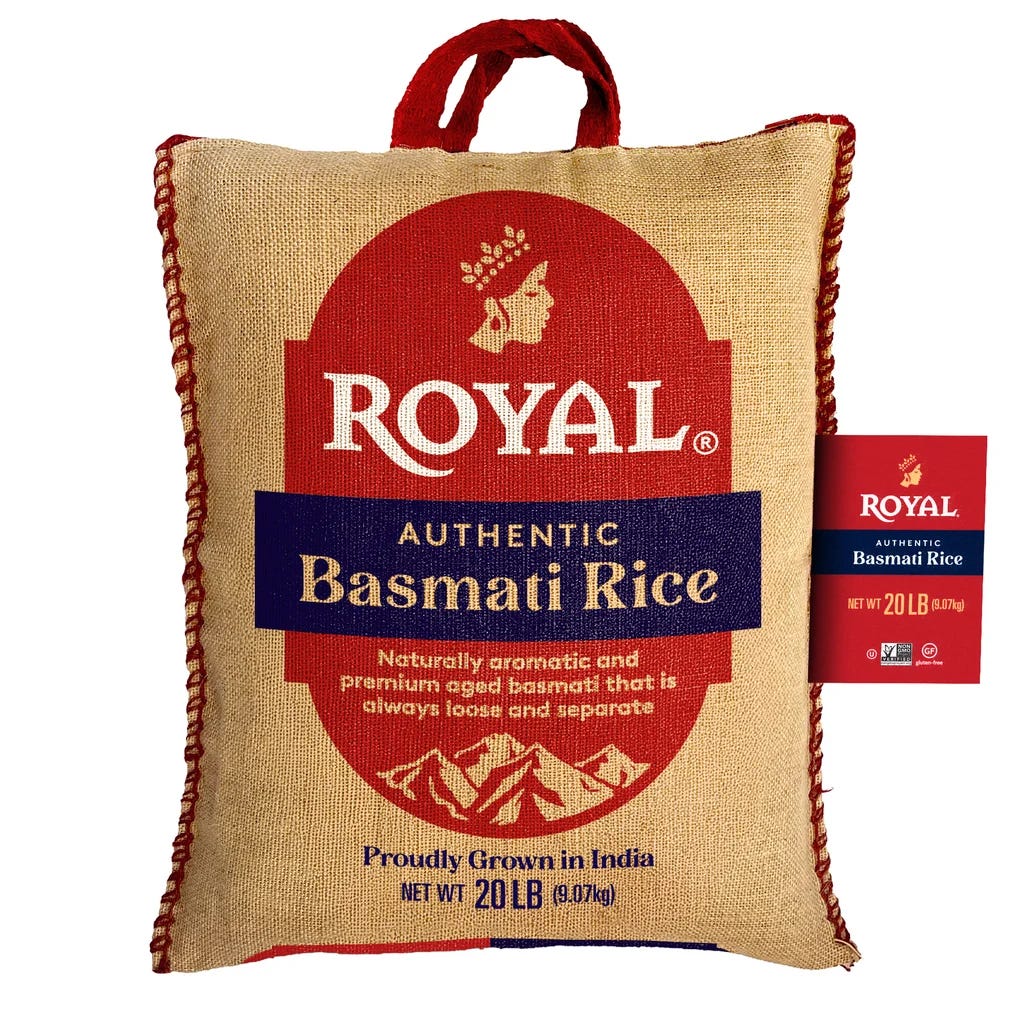
The cheapest hedge against inflation is shelf-stable calories. A 20lb bag of rice gives you weeks of cheap baseline calories, stores easily (for as much as 30 years under the right conditions!), and becomes a force multiplier when groceries spike or supply chains get weird. This is the single highest “dollars to resilience” buy on the list. Pair it with dry beans if you want to stretch protein without substantially increasing cost.
At current prices, a 20lb bag is still roughly the cost of one takeout meal and can cover a meaningful chunk of a household’s emergency calories. Great Value Enriched Long Grain Rice is about as cheap as preparedness gets—currently $11.46 for a 20lb bag—and it solves the most expensive problem first: food (I know, I know, but I’m trying to live up to the promise of the headline; use your own ethics and budget constraints to determine what’s right for you). Costco also has some good offerings.
Other options include:
By the way, I have a full food prepping guide here:
What Food Should a Prepper Buy? | 2026 Smart-Storage Guide

Key Takeaways: - Layer Your Supply: Build from a 3-day ready-to-eat kit, expanding to 2-week quick-cook meals, and then long-term bulk staples. - Prioritize Longevity &…
2) N95 Masks
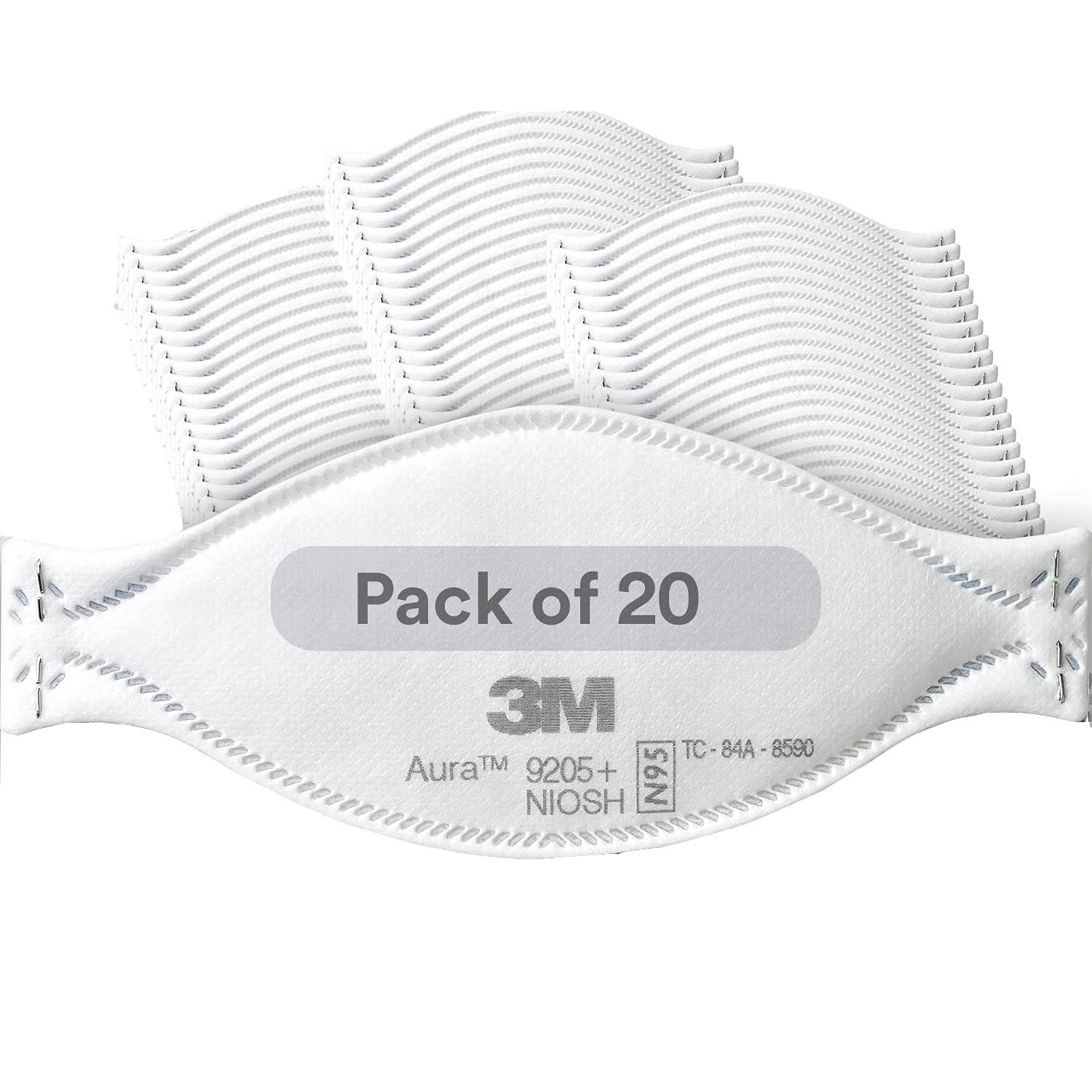
This is the cheapest insurance against the “secondary effects” people forget. It’s not just for respiratory illnesses (though, hey, you definitely don’t want those either!)—they offer some protection against: smoke, fires, industrial haze, and poor indoor air during power outages. This is especially important as we approach the summer, which experts are concerned will entail a dangerous fire season. And let’s not forget that, unlike other respiratory illnesses, Covid-19 often sees summer surges.
Note: N95 masks aren’t directly tied to the Strait of Hormuz, but they are exposed through the petrochemical supply chain. Their key filter layer is made from melt-blown polypropylene, a plastic derived from oil-based feedstocks, which means disruptions in Gulf energy flows can raise costs and tighten supply for the raw materials that make masks possible. Even when N95s are assembled domestically, they often still depend on imported resin, elastic, nose clips, packaging, and freight networks, so a Hormuz shock is more likely to make masks pricier, lower quality, and less consistently available than to make them disappear outright.
This 20-pack of 3M Aura N95 Particulate Respirators is currently $15.11.
3) Butane Camp Stove
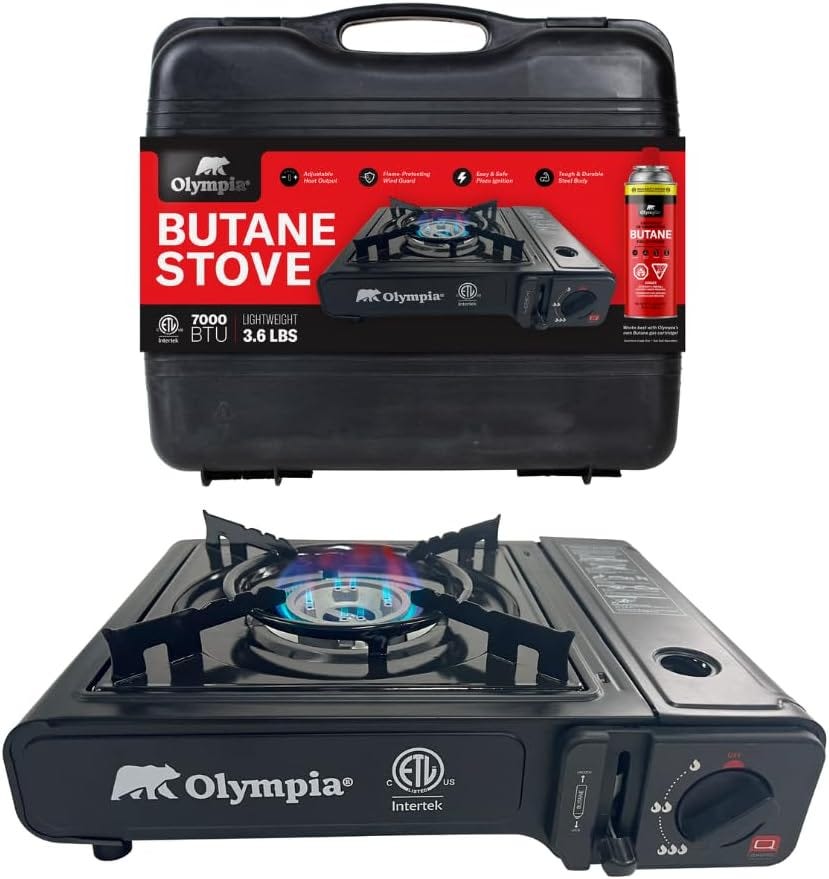
Because of the impact to energy flows brought on by the Strait of Hormuz Crisis, it is possible you’ll face rolling blackouts or energy rationing, depending on where you live. One scenario you want to avoid is having food but no way to cook it when your power source gets disrupted. A cheap single-burner stove turns your pantry into usable calories, lets you boil water, and gives you optionality when the grid is unreliable.
Coleman and Olympia both have options for around $40, and if budget is especially tight, this backpacking stove is only $15 at the time of this writing. Butane itself is also still pretty affordable; this pack of 12 canisters is currently around $27.
4) Hand-Crank Radio
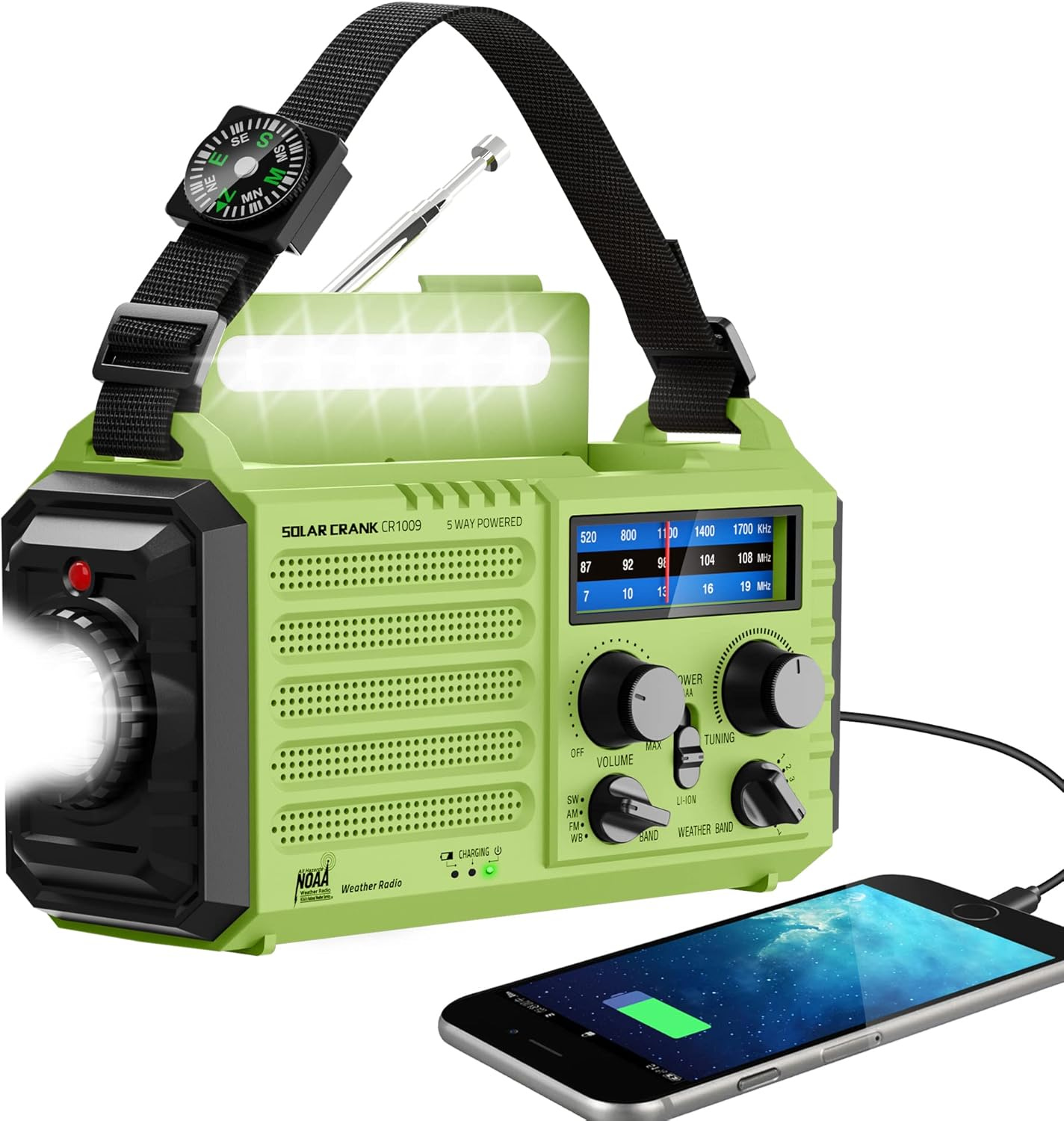
We’re so accustomed to instant information via our devices that it’s hard to imagine life without it. What you don’t want is to have no way to get information in the event of a serious disruption, whether induced by a natural disaster or civil unrest. A hand-crank radio gives you grid-independent access to weather, emergency broadcasts, and infrastructure updates without relying on cell towers, broadband, or a charged phone.
This radio/flashlight combo is only ~$16, and there’s a higher-end option for about double that price that is well-reviewed, but honestly just pick whichever one seems the best for your situation (there’s no shortage of options).
5) Extra Lighting (Flashlights & Lanterns)
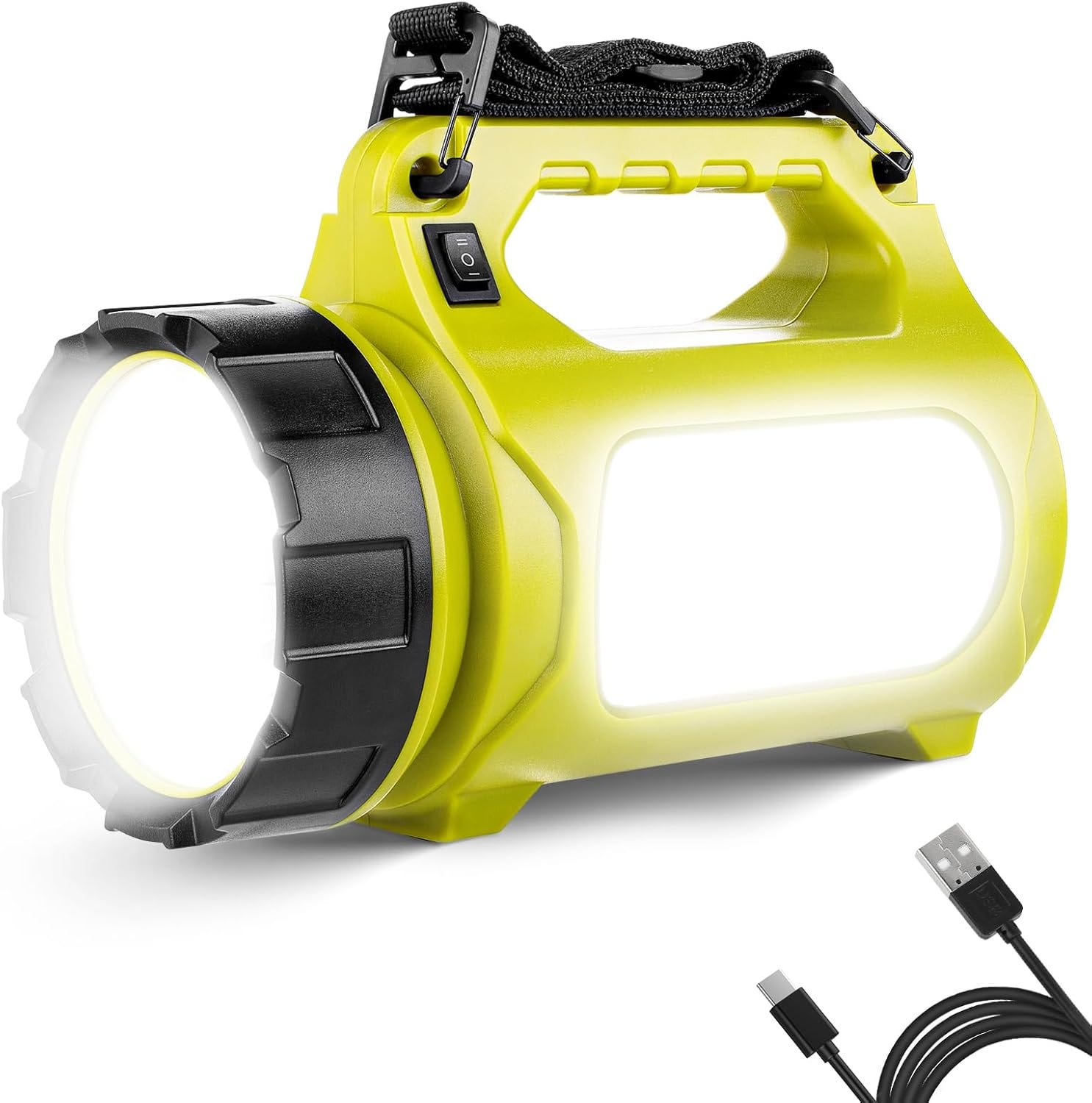
Cheap, redundant light buys you safety, mobility, and immediate stress reduction in the event of a grid-down situation. Critically, it also preserves battery life on your phone, which matters more than you might initially realize in a prolonged disruption.
The reason this makes the top five is simple: it’s cheap, it’s instantly useful, and it solves one of the first quality-of-life failures in any outage. FEMA and Red Cross both still treat lighting as a first-line essential for good reason.
I use a few of these EVER flashlights (they’re great and only about $10), but you also might consider this or this more powerful option, and it never hurts to have a few extra headlamps if budget allows.
Note: this is not meant to be a comprehensive list—far from it—but hopefully it gives you a place to start in assembling your basic prep.
That said, what’s arguably the most important thing you can be doing is engaging with other people. It’s time for frank conversations and preliminary planning with families, friends, and neighbors, and if you feel up for it, connecting with local mutual aid groups, community kitchens, local farmers, et al. In the event of serious disruptions, we always do better together (not for nothing, it’s how our species outperformed other hominids against the hostile ice-age conditions of our distant past). If you’ve built up your networks in advance, you’ll be much better buffered and prepared to contribute if disaster strikes.
Stay safe out there.
This piece is part of the Reality Studies Resilience & Preparedness Manual. For more, see the full Resilience & Prepping section.
Sheet mulch away your lawn and PLANT FOOD
Beans, tomatoes, potatoes are all super easy to grow, and will keep (if canned for tomatoes)
Balcony solar is beginning to become legal in the US - look into it - I have solar lights and a solar powerbank as well.
Lifestraw for dire emergencies - Britta for every other day
In my rural area prolonged outages are common. Most people have generators, many have solar systems with Tesla walls. We all keep plenty of dry goods on hand. Flashlights? Of course. You need those to go outside at night. Cell service? Go to the fire station (everyone goes there to use their wi fi). The main thing to have on hand always is potable water. When power goes out so does your well pump. Also keep some cash on hand. It’s great to keep rice and dried beans or pulses on hand, but in reality it makes more sense to stock up on canned goods.